Despite the common belief that luxury brands tightly control every acquisition, the world’s most coveted minimalist leather goods often reach discerning collectors through private networks, VIP auctions, and a thriving secondary market. The rules of access have quietly shifted. Knowing where to look, who to trust, and how to verify what you’re acquiring separates a strategic collector from an opportunistic buyer. This article walks you through the procurement channels, sourcing principles, authentication essentials, and investment logic that define elite acquisition today. Whether you’re building a curated wardrobe or a serious portfolio, clarity on these mechanics will sharpen every decision you make.
Why procurement strategy matters for luxury leather goods
For most buyers, luxury procurement begins and ends at the boutique. For serious collectors, that instinct is limiting. The real game is played across a wider field, where access, exclusivity, and long-term value are shaped by how and where you acquire, not just what you spend.
Collector priorities have evolved well beyond retail novelty. The metrics that matter most are:
- Access: Can you actually obtain the piece you want, when you want it?
- Exclusivity: Is the item genuinely rare, or simply expensive?
- Liquidity: Can you sell or trade the piece at a fair price if needed?
- Investment performance: Does the item hold or grow in value over time?
These priorities demand a procurement strategy, not just a shopping habit. The resale market now accounts for roughly 8% of all luxury sales globally, with projections approaching 10% in the near term. Secondhand leather goods represent approximately 80% of that resale volume, with Europe leading growth. That is not a niche. That is a parallel market with serious depth.
Procurement strategy dictates more than ownership. It opens or closes doors to private auctions, VIP consignment networks, and first-look access to rare editions that never appear on a boutique floor. Collectors who treat acquisition as a strategic act, rather than a transactional one, consistently outperform those who rely on retail availability alone.
“The most coveted pieces rarely surface publicly. They move through relationships, timing, and channels that reward preparation.”
Thinking about rare handbags as investments changes how you approach every acquisition decision. It reframes the question from “Can I afford this?” to “Does this belong in my collection, and will it hold its story?”
Strategic procurement also maximizes display value. A meticulously sourced piece carries provenance, condition history, and a narrative that elevates its presence far beyond its price tag.
Comparing procurement channels: Primary, secondary, and VIP platforms
Not all paths to a rare leather good are equal. Understanding the trade-offs across procurement channels is essential for anyone serious about building a collection with both aesthetic and financial integrity.
| Channel | Access to rare items | Price risk | Authentication | Speed |
|---|---|---|---|---|
| Brand boutiques | Limited, waitlisted | Retail fixed | Brand-controlled | Slow |
| Secondary market | High, broad selection | Variable, can be premium | Platform-dependent | Fast |
| VIP/Private sourcing | Highest, curated | Negotiable | Relationship-based | Variable |
Primary (brand boutiques) preserve scarcity by design. Hermès, for example, does not simply sell a Birkin to a new client on request. Relationships, purchase history, and boutique rapport all factor in. This opacity frustrates many buyers, particularly those seeking a specific colorway or exotic skin on a defined timeline.
Secondary market platforms offer speed and breadth. You can locate a discontinued Kelly in a rare leather within hours. However, price premiums can be significant, and luxury resale authentication quality varies widely by platform. Leather goods dominate this space, making it the most practical channel for immediate access.
VIP and private sourcing represent the most direct path to truly unique stock. These channels demand relationships, trust, and often a track record as a serious buyer. The handbag resale workflow at this level involves private clienteling, curated consignment, and sometimes auction-house partnerships.
Here is a practical sequence for approaching secondary and VIP channels:
- Research the specific model, year, and condition grade you want before engaging any platform.
- Verify the platform’s authentication process and request documentation upfront.
- Confirm seller history and reputation, especially for high-value exotics.
- Inspect or arrange independent inspection before finalizing payment.
- Retain all provenance documents, receipts, and authentication certificates.
Pro Tip: Proper storage matters as much as procurement. A piece acquired in pristine condition can degrade quickly without the right environment. Consider luxury leather storage solutions to protect your investment from the moment it arrives.
Material traceability and ethical sourcing: Foundation of real value
Channel selection is key, but the goods’ intrinsic value starts long before the purchase, at material source. For collectors who understand what they’re holding, the leather itself tells a story of craft, provenance, and permanence.
Premium leather origins matter for both performance and prestige. Hermès, for example, has pursued vertical integration by acquiring tanneries, securing control over hide quality, dyeing processes, and supply continuity. This is not merely operational efficiency. It is a direct investment in the consistency and exclusivity that collectors pay for.
| Leather type | Origin example | Traceability standard | Investment relevance |
|---|---|---|---|
| Togo calfskin | European cattle | High, brand-controlled | Strong, widely held |
| Crocodile (Porosus) | Farmed, certified | Regulated, CITES-compliant | Very high, limited supply |
| Ostrich | South African farms | Traceable, ethical certification | High, distinctive texture |
| Barenia | French tanneries | Hermès-exclusive | Exceptional, rare |
Ethical sourcing and transparent supply chains reduce long-run risks for collectors. A piece with documented provenance, from hide origin to finished goods, carries fewer legal complications, stronger resale credibility, and greater appeal to future buyers.
“Provenance is not paperwork. It is the difference between a collectible and a commodity.”
Collectors should scrutinize not just the bag, but its backstory. Key questions include:
- Is the leather type consistent with the brand’s known sourcing practices?
- Does the piece come with original receipts, dust bags, and box?
- Is there documentation of any repairs or restoration?
- Does the seller provide material traceability or brand certificates?
Exploring leather sourcing traceability and understanding exclusive leathers will sharpen your eye for what separates a genuinely premium piece from one that merely looks the part.
Authentication, condition, and peace of mind: Non-negotiables in procurement
Owning the right item depends on more than access or materials. Authentication and pristine condition seal long-term satisfaction and protect your investment at every price point.
Counterfeiting is most sophisticated at the highest price tiers. Exotic leathers, limited editions, and discontinued colorways attract the most skilled forgeries. This is precisely where verification matters most.
A practical authentication sequence for high-value acquisitions:
- Request full documentation: Original receipt, authenticity card, dust bag, and box.
- Examine hardware closely: Authentic pieces use precise, weighty hardware with clean engravings. Inconsistencies in font or finish are red flags.
- Inspect stitching: Hand-stitching on Hermès pieces, for example, follows a specific saddle-stitch pattern with consistent tension.
- Verify date codes and blind stamps: Each brand uses distinct internal markers. Cross-reference with verified guides.
- Engage an independent authenticator: Especially for exotics and pieces above five figures.
Condition grading is equally critical. Even minor repair history, a replaced zipper pull or a re-dyed corner, affects valuation meaningfully. Relational platforms at the VIP level typically offer escrow arrangements and expert guarantees, reducing risk for both parties. VIP consignment services have evolved precisely because high-net-worth buyers require more than a listing and a photo.
Pro Tip: Before committing to any secondary purchase above $10,000, consult at least two independent sources. Use dedicated resources like authenticating luxury bags and a designer bag authentication checklist to build your verification framework.
For Hermès specifically, the nuances of blind stamps, leather grain, and hardware weight are detailed in a dedicated guide on spotting genuine Hermès bags. These resources exist because the stakes are real, and the details matter.
Investment perspective: Rarity, performance, and trends in minimalist luxury
With all procurement mechanics in play, it’s crucial to see how the right leather goods can anchor a collection or a portfolio. The investment case for minimalist luxury leather is not theoretical. It is supported by consistent market data and collector experience.
The Hermès Birkin has, in certain periods, outperformed both equities and gold as a store of value. Secondhand leather goods account for 80% of the luxury resale market, with the fastest growth concentrated in Europe. That concentration reflects both cultural appetite and the depth of collector networks in those markets.
Key investment principles for minimalist luxury leather:
- Rarity over trendiness: A limited-edition piece in a discontinued leather will hold value longer than a seasonal release.
- Condition is capital: A bag in pristine, unaltered condition commands a meaningful premium at resale.
- Provenance adds liquidity: Documented ownership history and original accessories accelerate resale.
- Diversify within the category: Combine iconic models (Birkin, Kelly) with underappreciated limited editions for portfolio balance.
“The collector’s edge is not knowing which bags are famous. It is knowing which ones are scarce, documented, and positioned for appreciation.”
The secondary market for minimalist, limited-edition leather goods remains highly liquid. Platforms with strong VIP infrastructure move pieces quickly at fair valuations. Future outlook is clear: as investing in rare handbags becomes more mainstream among affluent buyers, rarity and provenance will continue to command the highest premiums. Trendiness fades. Scarcity compounds.
The truth most luxury guides skip: Relationships, timing, and beyond the logo
Let’s pause for a candid perspective on what truly sets world-class luxury procurement apart. Most guides focus on brand names and price points. The collectors who consistently acquire exceptional pieces operate on a different logic entirely.
Strategic collectors win through patience, insider connections, and long-term relationships. Opportunistic buyers overpay, often for pieces that lack the provenance or condition to support their price. The best acquisitions we see are rarely the loudest. They are quiet, well-timed, and deeply informed.
Real value lies in provenance, story, and timing. The right buy may surface in a private sale, a trusted consignment relationship, or a collector-to-collector exchange. None of those opportunities appear in a catalog or on a boutique floor.
Minimalism in luxury is as much about curation as brand prestige. Seek the piece with soul, the one whose leather, history, and craftsmanship speak before the logo does. Understanding the signs of genuine handbags trains your eye to see past surface appeal and recognize what will endure.
Ready to elevate your collection? Expert help, exclusive access
If you’re seeking direct, expert-supported access to the world’s most exclusive minimalist leather goods, here’s how to take the next step.
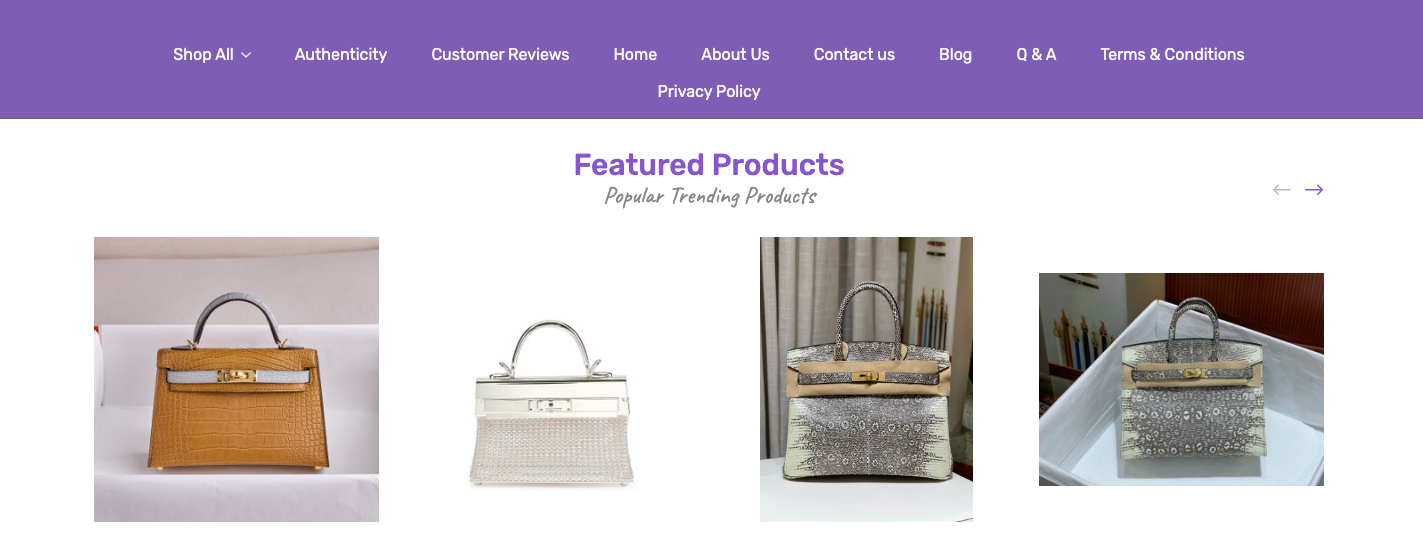
At BVPRIVE, we specialize in sourcing authenticated, rare, and limited-edition luxury leather goods for discerning collectors worldwide. Our VIP personal shopping service connects you with private inventory, pre-authenticated exotics, and pieces that simply do not appear on open platforms. Whether you need guidance on a specific acquisition or want a trusted partner for ongoing procurement, our team is equipped to support every stage of your journey. Start with our luxury bag authentication guide and reach out to explore what we have in our curated private selection today.
Frequently asked questions
How do I ensure authentication when buying on the secondary market?
Use platforms that offer independent authentication and always request certificates of authenticity before completing a purchase. VIP services and authentication have become standard expectations among high-net-worth buyers precisely because the stakes at this level demand more than a visual inspection.
Which procurement channel provides the rarest minimalist luxury leather goods?
VIP and private sourcing platforms consistently offer the best access to rare and limited-edition pieces that never reach open retail. Private sourcing and VIP services deliver the rarity and exclusivity that boutique waitlists and public resale platforms rarely match.
Do minimalist luxury leather goods appreciate in value?
Many rare pieces, particularly Hermès Birkins, have demonstrated consistent appreciation and in certain periods have outperformed traditional asset classes. Secondhand leather goods dominate the luxury resale market, reflecting strong and growing demand for authenticated, rare items.
How important is material traceability in luxury procurement?
Material traceability directly supports quality assurance, ethical sourcing compliance, and long-term investment value for serious collectors. Brands that pursue vertical integration strategies like Hermès acquiring tanneries demonstrate how control over material sourcing underpins both exclusivity and resale strength.